Do you wake up with a dull headache or a sore jaw that just won’t go away? If so, you are likely part of the millions of adults in the United States suffering from bruxism. Ignoring the sound of grinding teeth at night isn’t just annoying for your partner; it can lead to cracked enamel, expensive crown repairs, and chronic TMJ pain.
Finding the best night guard for teeth grinding is the single most effective way to protect your smile and get a restful night’s sleep.
We tested and analyzed the top options on the market, from convenient pharmacy picks to premium mail-order labs. Whether you are looking for a heavy-duty occlusal guard or a budget-friendly quick fix, this guide covers everything you need to know to make the right choice.
The Top-Rated Night Guards of 2026
Here are our top recommendations based on comfort, durability, ease of use, and overall value.
Best Overall Custom Guard: Smile Brilliant
Smile Brilliant offers a winning combination of fit, longevity, and quality at a mid-range price point. Their mail-in kit includes extra impression putty for a stress-free process, and the guard itself is available in soft, hybrid, or hard materials to match your grinding intensity.
Best Customer Service: JS Dental Lab
JS Dental Lab stands out for its premium customer support, including unlimited adjustments and re-makes if your guard doesn’t fit perfectly. Their responsive team walks you through the impression process and is ideal for people dealing with a complex bite or past fitting issues.
Best Subscription Model: Remi
Remi offers a convenient subscription service where you receive fresh custom night guards every six months, helping you avoid wear and bacteria buildup. Perfect for budget-conscious heavy grinders, their low monthly fee makes it easy to stay protected year-round.
Best Value (OTC): DenTek Professional-Fit
Available at most local pharmacies, DenTek’s Professional-Fit guard offers a better fit than typical boil-and-bite options due to its adjustable design and cushioned base. It’s a great choice if you’re looking to minimize jaw discomfort quickly without breaking the bank.
Best Budget Multi-Pack: ConfiDental
ConfiDental sells multi-packs of boil-and-bite guards in various sizes, ideal for travel, backups, or occasional use. While the customization is limited, their affordability makes them a practical solution for short-term needs or testing if a night guard helps.
Best for Heavy Grinders: Hard Acrylic Custom Guards
Hard acrylic guards are the most durable option, designed for people who clench or grind severely during sleep. These rigid guards help reduce tension in the jaw and provide superior longevity, often lasting several years with proper care.
Comparison Table: Price, Warranty, and HSA Eligibility
| Brand | Type | Price Est. | Warranty | HSA/FSA Eligible |
| Smile Brilliant | Custom (Mail-in) | $130 – $180 | 1 Year | Yes |
| JS Dental Lab | Custom (Mail-in) | $100 – $150 | Varies | Yes |
| Remi | Custom (Sub) | $99 + Sub | 30 Days | Yes |
| DenTek | Boil-and-Bite | $20 – $30 | None | Yes |
| Confidental | Boil-and-Bite | $15 – $20 | None | Yes |
| Dentist Office | Custom | $400 – $800 | Varies | Yes |
What to Read Before You Buy
Before you purchase a custom night guard over a boil-and-bite option, you must understand the medical implications. A night guard is not just a piece of plastic; it is a medical device that alters how your jaw sits.
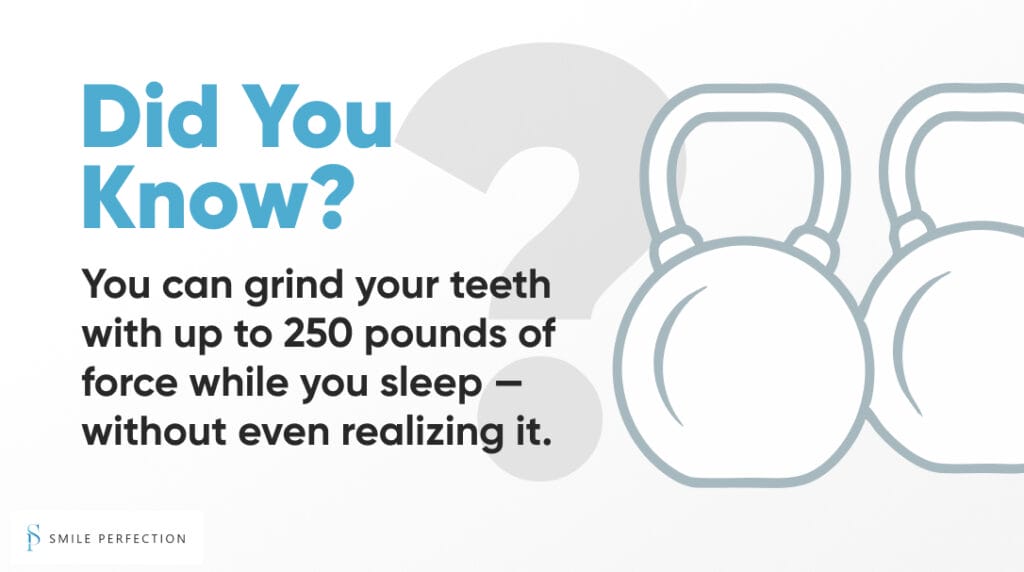
The Sleep Apnea Risk
If you snore loudly or gasp for air during sleep, you may have obstructive sleep apnea. Standard night guards can sometimes worsen this condition. By creating a barrier between your teeth, some guards inadvertently push the lower jaw back, further narrowing your airway.
If you suspect you have sleep apnea, consult a doctor before using any OTC or mail-order mouthguard.
Occlusion Issues
Be wary of guards that only cover your front teeth (NTI devices) unless prescribed by a specialist. If a guard does not cover your back molars, those teeth may “super-erupt,” meaning they continue to grow out of the gum until they find contact. This can permanently create an “open bite,” where your back teeth touch but your front teeth do not. Always aim for full-arch coverage to maintain a healthy bite.
When to See a Dentist Before Buying
While online labs offer convenience, you should see a local dentist if:
- You have loose teeth or loose caps.
- You have active jaw pain or clicking in your temporomandibular joint (TMJ).
- You have sores or bleeding gums.
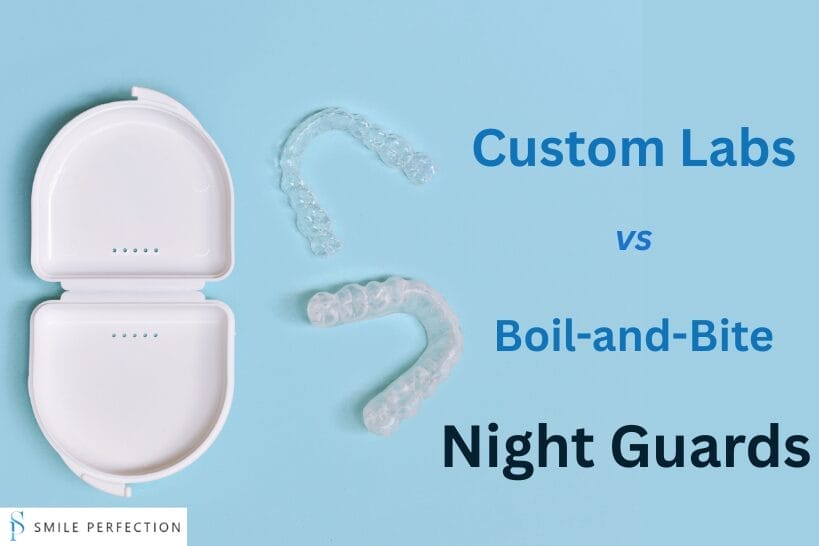
Custom Labs vs. Boil-and-Bite: Which is Right for You?
The market is split between two main categories: store-bought boil-and-bite mouthguard kits and professional custom-fitted night guard options.
Boil-and-Bite: Pros and Cons
These are available at any drugstore. You boil them in water and bite down to mold them.
- Pros: Immediate availability and very low cost ($20-$30).
- Cons: They are universally bulky. The thick material can feel like a mouthful of gum, which often stimulates the brain to chew more, potentially worsening muscle soreness. They rarely last longer than a few months.
Mail-Order Custom Labs: Pros and Cons
These services send you a dental impression kit; you take a mold of your teeth and mail it back.
- Pros: You get the exact same quality guard a dentist would provide, but for 70% less cost. They are slim, snap perfectly into place, and do not fall out.
- Cons: You have to wait 2-3 weeks for the lab to fabricate and ship the final product.
Best Custom Night Guards (Mail-In Service)
For the best night guard for clenching and grinding, custom is the gold standard. Here is how the top brands stack up.
Review: Smile Brilliant (Best Durability)
Smile Brilliant has built a reputation on professional-grade dental products. Their night guards use high-quality materials that resist staining and wear.
- The Process: They send a comprehensive kit with extra putty in case you mess up the first impression.
- The Guard: You can choose between “Heavy Grinder” (harder) or “Light Grinder” (softer). The fit is typically precise, snapping in with a satisfying click.
- Verdict: Best for those who want a “set it and forget it” durable option.
Review: JS Dental Lab (Best Customer Service)
JS Dental Lab is a veteran in the online guard space.
- The Difference: They stand out for their “fit guarantee.” If your guard isn’t perfect, they work with you to adjust it or redo the impression at no extra cost.
- Options: They offer a wide range of materials, including specific designs for extreme clenchers.
- Verdict: Ideal if you have a tricky bite or are nervous about taking your own impressions.
Review: Remi (Best Subscription Model)
Remi disrupts the market with a club-like membership.
- The Model: Instead of buying one expensive guard every few years, Remi sends you new guards every 6 months for a low subscription fee.
- Hygiene Factor: This is excellent for hygiene, preventing the buildup of bacteria and plaque on old guards.
- Verdict: Perfect for “chewers” who wear through guards quickly and want a fresh one regularly.
Best Over-the-Counter (OTC) Mouthguards
If you need immediate relief tonight or want to test if a night guard helps your jaw pain before investing $150, OTC is the way to go.
Review: DenTek Professional-Fit (Best Availability)
You can find this at almost any pharmacy. It features a moldable tray that allows for a decent fit compared to generic sports guards. It is adjustable and cushioned, making it a reasonable stop-gap solution for acute flare-ups.
Review: Confidential (Best Budget Multi-Pack)
This pack usually comes with multiple guards of different sizes. It is a classic boil-and-bite. While it lacks the precision of DenTek, the low price point makes it the best value (OTC) for travel or backup use.
Which Material Should You Get?
The material of your night guard plays a major role in both comfort and effectiveness. Soft guards, typically made from EVA, are flexible and cushioned—ideal for light clenchers or first-time users. However, they tend to wear out quickly and may encourage nighttime chewing.
Hard acrylic guards are rigid like a retainer and best suited for heavy grinders or those with TMJ. They offer excellent durability and help guide the jaw into a relaxed position, though they may feel tight or uncomfortable at first.
Hybrid or dual-laminate guards combine a soft inner layer with a hard exterior, striking a balance between comfort and strength. For many, these offer the best of both worlds and are often considered the “Goldilocks” option.
Because night guards stay in your mouth for thousands of hours each year, always choose one that’s BPA-free, phthalate-free, and MMA-free to ensure safe long-term use. Reputable providers usually offer safety data sheets upon request.
How to Take a Perfect Dental Impression at Home
The number one reason for a poor-fitting custom guard is a bad impression. Using a dental impression kit is easy if you follow these rules.
- Don’t bite through to the tray: This is the most common mistake. If your teeth hit the bottom of the plastic tray, the lab cannot make an accurate guard. You need to press deep enough to capture the gum line, but stop before hitting plastic.
- Mixing the putty: Once you mix the two putties (usually white and colored), you have about 45-60 seconds before they harden. Mix it quickly into a hot-dog shape, place it in the tray, and bite down immediately.
- One fluid motion: Do not wiggle your teeth once they are in the putty. Hold still for the full recommended time (usually 3-5 minutes) to ensure a crisp mold.
Why a Dentist-Made Night Guard Is Still the Gold Standard
While mail-order night guards and OTC options offer affordability and convenience, the most accurate and medically appropriate solution will always come from a dental professional. A custom night guard made in a dentist’s office is based on a clinical exam, diagnostic tools, and expert bite alignment—something no at-home kit can perfectly replicate.
Your Tucson dentist can assess whether your grinding is related to deeper issues like sleep apnea, misalignment, or TMJ disorders. They can also monitor how your bite responds over time and adjust the guard as needed—ensuring the best possible protection for your teeth, jaw, and long-term health.
If your budget allows, or if you have complex dental needs, consulting with your dentist is the safest and most effective way to get lasting relief.

Rest Easy—and Protect Your Smile
Choosing the right night guard can make a big difference in your sleep quality, jaw health, and long-term dental costs. Whether you opt for a custom-fit guard or a reliable OTC option, the key is finding one that suits your needs and wearing it consistently. Your future self—and your teeth—will thank you.
Frequently Asked Questions About Night Guards
1. Can I wear a night guard with braces?
Generally, you cannot use a standard custom or boil-and-bite guard with braces, as the teeth are constantly moving. You should consult your orthodontist for a specific “ortho-guard” designed to fit over brackets.
2. How long do night guards last?
This depends on the material. A soft OTC night guard might last 3 to 6 months. A hard acrylic custom guard can last 3 to 5 years, depending on the severity of your grinding.
3. Will insurance cover a mail-order guard?
Most dental insurance plans do not directly reimburse for mail-order products, as they are not billed by a dentist. However, almost all are eligible for HSA (Health Savings Account) and FSA (Flexible Spending Account) funds.
4. What is a remoldable mouth guard?
Some OTC brands offer remoldable mouth guard technology, allowing you to re-boil and re-fit the guard if the first attempt fails. This is a great feature to look for if you choose a store-bought option.
5. Is there a best night guard for TMJ specifically?
For TMJ pain, a hard or hybrid custom guard is usually superior. Soft guards can sometimes act like a “chew toy,” causing jaw muscles to overwork. A hard surface allows the jaw to glide smoothly, reducing strain on the joint.